

In today’s volatile energy markets, low-cost operators are more likely to survive in the long run and companies cannot rely on high oil prices to save the day. To thrive in a tougher business environment marked by greater investment scrutiny and a declining resource base, operators must continuously seek to improve their operating standards and reduce operating costs.
The Worldwide Onshore Production Operations Performance Analysis (Onshore Study) is designed to help onshore operators, of any major asset type, optimize their productions’ operations and cost management strategies. The study leverages Solomon’s Comparative Performance Analysis™ (CPA™) methodology, 30+ years of upstream experience, and the world’s largest performance database to deliver insights to improve production efficiency, enhance well performance, reduce operating costs, and boost overall production performance.
We are pleased with the analysis. Solomon delivers the full package; a statistically rigorous analysis coupled with real suggestions that can be used to improve operating performance. INDEPENDENT PRODUCER
Leverage insights from the world's largest proprietary upstream operations performance database of
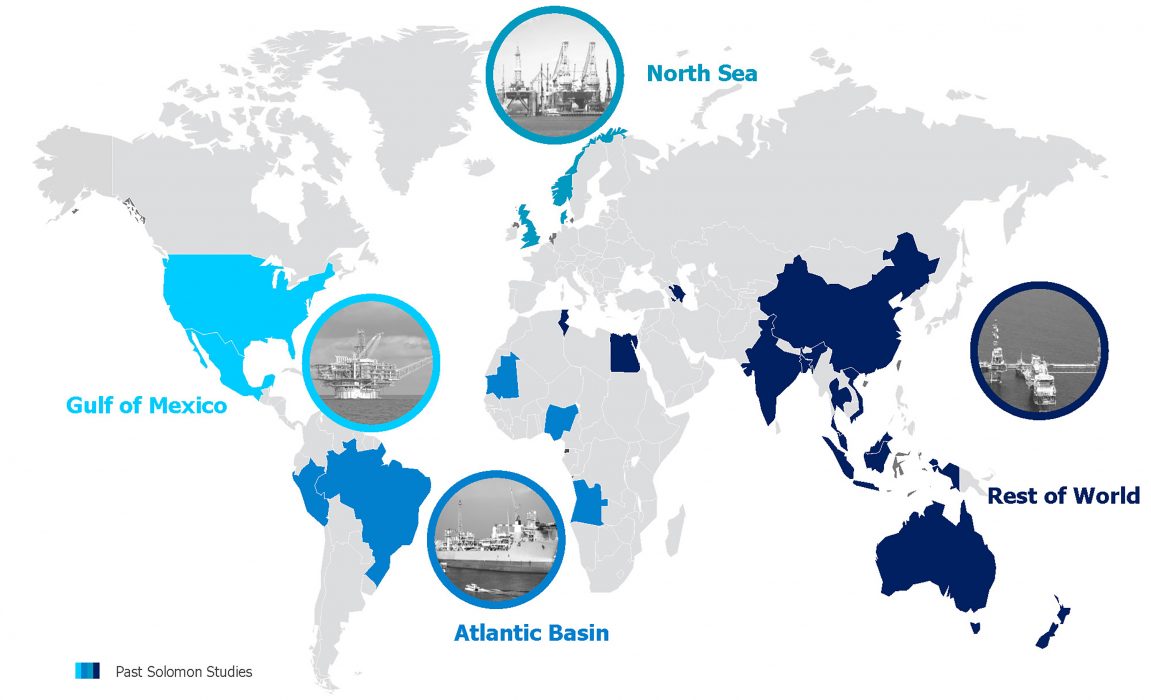
>4,700 onshore production and processing facilities from 40+ countries,
including the major production hubs such as, US Shale, Western Canada, the Middle East, Southeast Asia, and Australia.
- How do your performance gaps compare against top-industry performers?
- What is an achievable performance improvement target considering your operational characteristics?
- What financial resources are needed to achieve top operational performance?
- Where are your fields on their energy efficiency journey?
- How do your scheduled and unscheduled downtimes, and rate reductions due to reliability and maintenance, issues compare to peers?
- How effective are your corporate, site, and unit sustainability strategies?
The Onshore Study’s objective is to help clients identify asset and peer performance gaps and provide potential cost optimization opportunities.

Onshore Study Focus Areas
Our experts benchmark your production operations performance through the lens of cost optimization and uptime/reliability improvement. The Onshore Study’s cost competitiveness and cost efficiency proprietary normalized analyses models allow you to go beyond unit cost metrics and help identify key cost drivers. This detailed approach uncovers key areas of under-performance for each asset type, enabling root-cause analysis of challenging areas to identify appropriate solutions to optimize costs and maximize production.

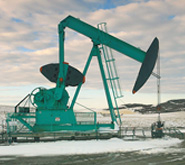
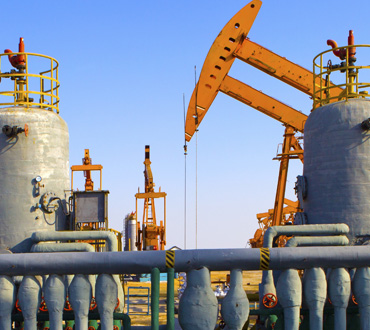
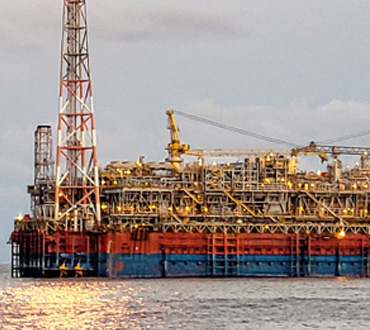
Major Onshore Asset Types & Peer Groups
Production operations performance is analyzed and compared against peers at the “asset-to-asset” level, with a range of key performance indicators (KPIs) and normalized cost and efficiency models. This approach gives a true view of where you stand and insight to achieve operational excellence in production efficiency, well performance, reliability, uptime, total field operating cost, well servicing and workover, personnel, gas processing, safety, and more.
We have found Solomon studies to be of benefit in assessing our competitive performance and identifying performance gaps. The deliverables provide a solid basis for setting short and long-term performance targets and for monitoring our progress in closing performance gaps. INDEPENDENT PRODUCER
I believe that the study is very well done and shed’s good light on opportunities that would otherwise go unnoticed. INDEPENDENT OIL COMPANY
The value for changes we implemented was estimated at 5M USD, a very good return on investment. MAJOR OIL COMPANY
Why Participate?
Compare performance with leading onshore operators at the asset-level from well head to gas processing.
Uncover areas of underperformance and identify realistic improvement opportunities.
Measure well delivery and production efficiency.
Identify & rank reliability issues that result in production losses.
Prioritize optimization efforts with the most sustainable impact.
Identify significant cost drivers for each asset type.
Understand year-on-year cost and production performance trends for each asset and peer group.
Study Deliverables
Performance indicators and rankings for key areas of analysis: Production Efficiency & Reliability, Field Operating Cost, Carbon Emissions, and Safety.
Economic gap analysis vs top-performing peers, and identification of key underperforming areas & highly performing areas.
On-site presentation and discussion of study results & recommendations.
Performance Is Assessed Across the Following Areas:
Production Efficiency (Planned & Unplanned)
Reliability & Uptime
Total Field Operating Cost
Well Servicing & Workover
Field Labor & Staffing
Surface Repair & Maintenance
Energy
Chemicals
Saltwater Disposal
Key Strategies for North American Shale Operators to Reduce Downtime & Improve Profitability
WHEN: Tuesday, June 17, 2025, 11 AM CDT
LENGTH: 30 Minutes (20 min presentation, 10 min Q&A)
Watch our recent webinar, where upstream industry expert, John Caldwell, highlights strategies and metrics North American shale operators leverage to prioritize opportunities with the greatest economic impact. Whether you're looking to optimize your shale operations or make more impactful data-driven decisions, this webinar will help jumpstart your journey to sustainable success. Don’t miss this opportunity to learn from top operators’ performance and stay ahead of the competition.

.jpg)
Learn How You Can Participate
Join others who leverage the world’s largest upstream database and expert resources to improve their production operations. Participants receive insights on their asset performance from the analysis of onshore operations (wells from subsurface to wellhead equipment, surface gathering and processing facilities/equipment, in-field flowlines/pipelines), field general administration supporting those operations, and overhead (management, technical, business support).
A Foundation for Effective Comparative Performance Analysis and Decision Support
We prioritize the integrity and confidentiality of participant-submitted data and rigorously review that data before benchmarking begins. Then, we employ our normalization process and benchmarking methodology to provide valuable and trusted peer group comparisons that deliver meaningful KPIs. Finally, our staff of senior consultants apply their deep industry experience to develop practical insight and recommendations to enable your success.
FREQUENTLY ASKED QUESTIONS (FAQ)
A: The Onshore Study uses Solomon’s proprietary CPA benchmarking methodology to compare the operational performance of onshore operators around the world. The study’s goal is to help operators optimize and improve their onshore operations, enhance production efficiency, and combat the impact of volatile oil prices on operating margins.
A: The study scope includes the operations of wells from subsurface to wellhead equipment, surface gathering and processing facilities/equipment, in-field flowlines/pipelines, and the field general administration that directly supports the above operations.
A: The onshore benchmarking reviews are an “asset-to-asset” comparison considering the complexity associated to each asset.
A: As the cost accounting systems for E&P companies worldwide differ significantly, Solomon has developed a standardized set of cost categories used in every benchmarking study. This important step levels the comparison of operating expenses for each asset.
A: Solomon’s key approach for cost normalization is to define relations between cost drivers related to each cost category. Solomon normalization models are developed for each cost category and each peer group. The normalized assessment works to pinpoint performance gaps between the asset and peer group leaders and discovers potential cost optimization opportunities in every major category.
A: The study includes assets from National Oil Companies, Integrated Oil Companies, Independents, and Joint Ventures.
A: The typical Onshore Study takes about six months to complete.
A: Field Engineering, Finance, Human Resources, Asset Management
A: The success factors that the Onshore Study uses to maximize benchmarking value are as follows: Stakeholders Commitment, Data Quality, Findings Relevance, and Opportunities Prioritization.








.jpg)


.jpg)
.jpg)
.jpg)
.jpg)
.jpg)
.jpg)
.jpg)
.jpg)
.jpg)
.jpg)
.jpg)
.jpg)



.jpg)
.jpg)



.jpg)
.jpg)

.jpg)